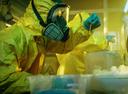
Meth Lab Clean
- Company doing the work
- [Company]
- Business contact and phone
- —
- Responsible person (for monitoring SWMS and work)
- —
- Responsible person's phone
- —
- Responsible person's signature
- —
- Date signed
- —
- Principal Contractor (PC)
- —
- PC Address
- —
- PC phone
- —
- Date SWMS provided to PC
- —
- Job Site Address
- —
- Part of a construction project
- —
Site management plan
If the work is part of a construction project, this SWMS must align with requirements of the Site Management Plan in place for the Construction Project.
High-risk construction work
This work activity involves the following “High-Risk Construction Work” (HRCW - identified in the Job Task column)
- Hazardous AtmosphereWork in an area that may have a contaminated or flammable atmosphere
Planning and preparation
Planning
Liaise with Principal Contractor to identify on-site safety systems and procedures
Establish supervisory and communication arrangements
Principal contractor to confirm emergency response procedures are in place.
Hold points
Hold points identified and signed off before continuing work. (specify the hold points)
Training and licences
All workers to have a General Construction Induction Card
Relevant workers have relevant certificates of competency, licenses, and training. Specify on the SWMS Sign-off for each worker.
Trained First Aider on site
All workers trained in site-specific emergency and evacuation procedures, SWMS, safe work procedures, and safety data sheets.
Worker duties and responsibilities
Fit condition for work, i.e., no signs of fatigue, alcohol or drugs
Attend all site inductions/briefings
Comply with all site requirements, e.g. PPE, Traffic Management Plans (TMP)
Only carry out work related to the contract
Inspect completed work and report possible safety, environmental and quality matters to the supervisor.
Monitoring and review
All people involved in the task must have this SWMS communicated to them before work commences
SWMS to be reviewed and amended if necessary, in consultation with relevant people after any near miss or incident
If additional site hazards identified, review this SWMS and amend control measures to suit
People, including workers, contractors and sub-contractors, affected by the revisions to this SWMS, must be informed ASAP
Give the principal contractor a copy of the revised SWMS
The site supervisor to monitor works against the controls stated in this SWMS
SWMS must be kept on-site and made available for inspection or review
Keep a record of this SWMS until the job is complete or for two years if involved in a notifiable incident
Regardless of any other factor, the person in control of the workplace must review this SWMS at least annually.
Site-specific notes
Legislation and codes of practice
None listed.
Personal protective equipment (PPE)
- Foot Protection
- Head ProtectionHard Hat
- Face Protection
- Hand Protection
- Protective Clothing
- Breathing ProtectionRespirator
- Protective Mask
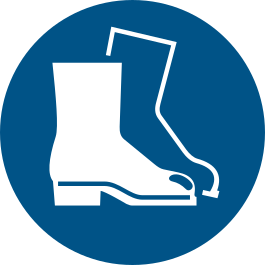




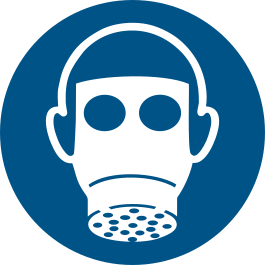
Do not wear rings, watches or jewellery that may become entangled. Long and loose hair must be tied back.
Job steps, hazards and controls
- Work activity
Planning
- Hazard
Hazardous chemical exposure; Explosion
Before controls4 AcuteControlsObtain written confirmation that site is safe to begin clean-up
All toxic and hazardous drug paraphernalia and chemicals removed before entering the premises
Test, all areas of the premises, to identify:
Uncontaminated areas
The reach of the contamination and present a scope of work for remediation
Contamination levels exceed state and local requirements and if remediation is necessary
Materials that are too contaminated to clean
Sampling and testing conducted by an industrial hygienist with relevant
Based on the sample and testing report develop a Remedial Action Plan.
After controls2 ModerateResponsible- Supervisor
- Hazard
Fatigue; Unauthorised access; Insecure workplace
Before controls3 HighControlsOut-of-hours / night work:
Allow adequate meal breaks for workers; especially if they have worked during part of the day, they will need time to rest & recover sufficiently to work safely into the evening/night
Do not schedule full double shifts for workers as worker fatigue increases the risk of incidents
Workers have access to:
Suitable amenities (toilets/wash facilities/drinking water)
Sufficient lighting (including parking areas)
Mechanical ventilation if required
Safe area for parking/unloading equipment
Suitable area for decanting and storage of cleaning chemicals with sufficient ventilation
Additional security personnel on-site to ensure no unauthorised access by the general public while work is being performed
No worker should work alone on the site at night.
After controls2 ModerateResponsible- Supervisor
- Hazard
Insufficient training
Before controls3 HighControlsEnsure all relevant workers have undertaken training and/or received instruction in the use of control measures
All relevant workers are trained in “Standard Precaution” procedures for working in a clandestine drug lab:
Hand washing and antisepsis (hand hygiene)
Prevention of needle stick / sharp injuries
Standard Precautions for biological contaminants
Handling of waste and chemicals.
Nature of hazards/symptoms
Spill containment procedures
Environmental cleaning and spills management.
After controls2 ModerateResponsible- Supervisor
- Hazard
Confined space
Before controls4 AcuteControlsAll people entering confined spaces must have attended an accredited training course in safe working in confined space and hold current accreditation
Content of confined space entry permits
Emergency response and rescue.
If working in a confined space, ensure there are separate, dedicated SWMS in place for entry/rescue and that all workers/employees have relevant training and licensing.
After controls2 ModerateResponsible- Supervisor
- Hazard
Crush injuries; Electric shock; Burns
Before controls4 AcuteControlsIf required to clean areas on, in or adjacent to mobile plant, machinery, or other hazardous areas
Ensure any machinery or equipment at site stored in a safe condition (not able to be accidentally turned on, safety guards in place)
Ensure machinery is safely locked out and tagged
Ensure all energised electrical installations are made safe (safely locked out and tagged)
After controls2 ModerateResponsible- Supervisor
- Hazard
Infection; Disease; Allergic reaction
Before controls3 HighControlsEnsure vaccinations (such as Hepatitis B, tetanus) offered for staff.
people with known allergic responses should consult a doctor and ensure appropriate kit is available at all times (Including EpiPen - in date).
After controls2 ModerateResponsible- Supervisor
- Hazard
Emergency
Before controls4 AcuteControlsAvoid people working alone, use a buddy system to provide immediate support
Have a reliable communication system in place and test regularly
Emergency procedures:
Emergency contacts (enter numbers here)
Building security (enter numbers here)
Nearest medical facility (enter the address here)
First aid and fire protection equipment available
Emergency exits and assembly areas (enter assembly point here)
The information must be provided to authorities to advise them of the following:
Work will not proceed if prohibited items observed (e.g. firearms)
Cash and any valuables removed from easily visible/accessible areas
Animals must be secured/removed.
After controls2 ModerateResponsible- Supervisor
IR before controls · RR after controls1 LLow2 MModerate3 HHigh4 AAcute
Overall risk after controls2 MModeratethe highest rating after controls
16 more job steps, from Arrival on-site & assess onsite conditions to Emergency response
Each with its hazards, risk ratings and controls, plus your crew's sign-on.