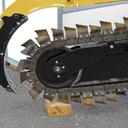
Chain Trencher
- Company doing the work
- [Company]
- Business contact
- —
- Phone #
- —
- Responsible person (for monitoring SWMS and work)
- —
- Signature
- —
- Date
- —
- Contact phone #
- —
- Principal contractor (PC)
- [Principal contractor]
- PC address
- —
- PC phone #
- [PC phone]
- Date SWMS provided to PC
- —
- Job site address
- [Site address]
- Is the work associated with a construction project?
- —
Site management plan
If the work is part of a construction project, this SWMS must align with requirements of the Site Management Plan in place for the Construction Project.
High-risk construction work
This work activity involves the following ‘High-Risk Construction Work’ (HRCW – identified in the Job Task column):
- Mobile PlantMobile plant movement
- Hazardous AtmosphereWork in an area that may have a contaminated or flammable atmosphere
- Traffic CorridorsWork carried out adjacent to a road, railway or shipping lane, traffic corridor
Planning and preparation
Planning
Liaise with Principal Contractor to identify on-site safety systems and procedures
Establish supervisory and communication arrangements
Principal contractor to confirm emergency response procedures are in place.
Hold points
Hold points identified and signed off before continuing work. (specify the hold points)
Training and licences
All workers to have a General Construction Induction Card
Relevant workers have relevant certificates of competency, licenses, and training. Specify on the SWMS Sign-off for each worker.
Trained First Aider on site
All workers trained in site-specific emergency and evacuation procedures, SWMS, safe work procedures, and safety data sheets.
Worker duties and responsibilities
Fit condition for work, i.e., no signs of fatigue, alcohol or drugs
Attend all site inductions/briefings
Comply with all site requirements, e.g. PPE, Traffic Management Plans (TMP)
Only carry out work related to the contract
Inspect completed work and report possible safety, environmental and quality matters to the supervisor.
Monitoring and review
All people involved in the task must have this SWMS communicated to them before work commences
SWMS to be reviewed and amended if necessary, in consultation with relevant people after any near miss or incident
If additional site hazards identified, review this SWMS and amend control measures to suit
People, including workers, contractors and sub-contractors, affected by the revisions to this SWMS, must be informed ASAP
Give the principal contractor a copy of the revised SWMS
The site supervisor to monitor works against the controls stated in this SWMS
SWMS must be kept on-site and made available for inspection or review
Keep a record of this SWMS until the job is complete or for two years if involved in a notifiable incident
Regardless of any other factor, the person in control of the workplace must review this SWMS at least annually.
Site-specific notes
Legislation and codes of practice
None listed.
Personal protective equipment
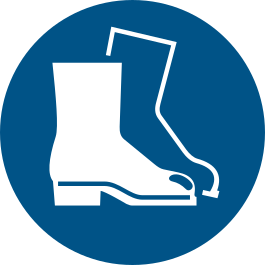
- Foot Protection
- Hearing Protection
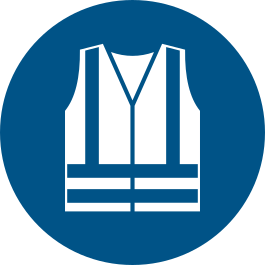
- High Visibility
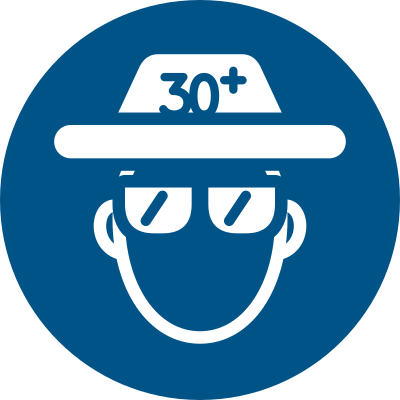
- Eye Protection
- Sun Protection
- Seat Belt


Job steps, hazards and controls
- Work activity
Check weather conditions & prepare
- Hazard
Extreme weather
Before controls3 HighControlsCheck weather conditions – do not work in extreme conditions
Reschedule works to work in more moderate temperatures.
After controls2 ModerateResponsible- Supervisorto maintain awareness of weather conditions
- Operatorto follow controls
- Hazard
Hyperthermia / Hypothermia
Before controls3 HighControlsWorkers trained to recognise the symptoms of hyperthermia and hypothermia
Hot conditions. Ensure:
Suitable protective clothing
Sun brim on hard hats
Safety glasses - UV rated
Use 30+ sunscreen on exposed skin
Adequate drinking water
Access to shade on breaks
Adequate breaks.
Cold conditions. Ensure:
Schedule warm-up breaks
Hold breaks inside
Dress warmly in layers
Stay dry (wet clothing chills the body rapidly)
Workers must get out of the cold as soon as they can if starting to feel symptoms
Alcohol, cigarettes, caffeine and certain medications increase susceptibility to cold.
After controls2 ModerateResponsible- Supervisorto maintain awareness of weather conditions
- Operatorto follow controls
IR before controls · RR after controls1 LLow2 MModerate3 HHigh4 AAcute
Overall risk after controls2 MModeratethe highest rating after controls
13 more job steps, from Working alone to Emergency response
Each with its hazards, risk ratings and controls, plus your crew's sign-on.