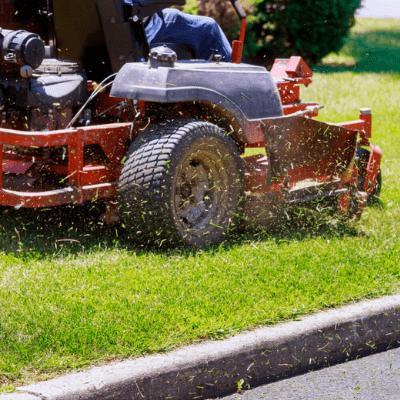
Working alone
Working without anyone nearby to see a problem, raise the alarm or help in an emergency, including in remote or isolated locations.
Also known as: Working alone, Working alone or in remote areas, Lone work, Remote and isolated work, Working alone near water, Isolated work
How to control working alone
- Avoid lone work for high-risk tasks, and pair workers up for work such as confined space entry, work at height and work near water.
- Assess each remote or isolated site for hazards, and confirm the work can be done safely without help close by.
- Set a check-in schedule with a named contact, and have a procedure for acting straight away if a check-in is missed.
- Provide a communication method that works at the location, such as a satellite phone, radio or personal locator beacon, and test it before starting.
- Provide personal alarms or man-down devices where workers cannot easily reach a phone, and train them to use them.
- Make sure the worker has first aid supplies, knows the emergency plan and can give their location to emergency services.
Typical controls, most effective first. Your SWMS sets the controls for your own job and site.
Templates that cover Working alone
 Value pack · 22 templates
Value pack · PACK-50058
22 for the price of 15
 Value pack · 12 templates
Value pack · PACK-50074
12 for the price of 9
 Value pack · 7 templates
Value pack · PACK-50174
7 for the price of 6
Value pack · 5 templates Value pack · PACK-50175
5 for the price of 4
 Value pack · 40 templates
Value pack · PACK-50316
40 for the price of 26
 Value pack · 35 templates
Value pack · PACK-50317
35 for the price of 22
Value pack · 32 templates Value pack · PACK-50318
32 for the price of 21
 Value pack · 57 templates
Value pack · PACK-50331
57 for the price of 38
Value pack · 49 templates Value pack · PACK-50332
49 for the price of 32
Value pack · 46 templates Value pack · PACK-50333
46 for the price of 31
 Value pack · 15 templates
Value pack · PACK-50342
15 for the price of 13
Value pack · 37 templates Value pack · PACK-50343
37 for the price of 27
Value pack · 18 templates Value pack · PACK-50349
18 for the price of 14
Value pack · 21 templates Value pack · PACK-50507
21 for the price of 17
Value pack · 9 templates Value pack · PACK-50510
9 for the price of 7
SWMS · SWMS-10022
9 job steps
SWMS · SWMS-10030
14 job steps
SWMS · SWMS-10132
13 job steps
SWMS · SWMS-10236
11 job steps
SWMS · SWMS-10308
15 job steps
SWMS · SWMS-10623
14 job steps
SWMS · SWMS-10627
14 job steps
SWMS · SWMS-10672
14 job steps
 System · 165 documents
System · SYS-50369
Complete system
System · 156 documents System · SYS-50370
Complete system
System · 154 documents System · SYS-50371
Complete system
 System · 111 documents
System · SYS-50380
Complete system
 System · 133 documents
System · SYS-50381
Complete system
 System · 104 documents
System · SYS-50382
Complete system
 System · 114 documents
System · SYS-50388
Complete system
 System · 95 documents
System · SYS-50457
Complete system
 +91
System · 117 documents System · SYS-50458
Complete system
System · 88 documents System · SYS-50459
Complete system
System · 98 documents System · SYS-50465
Complete system
+94 System · 112 documents System · SYS-50508
Complete system
+108  System · 98 documents
System · SYS-50509
Complete system
Hazards that come up alongside it
Legislation these templates cite

 +18

 +3

 +36

 +11
 +33
 +5




 +161
 +152
 +150

 +129