
Air Conditioning Service and Repairs
- Company doing the work
- [Company]
- Business contact
- —
- Phone #
- —
- Responsible person (for monitoring SWMS and work)
- —
- Responsible person's phone
- —
- Responsible person's signature
- —
- Date signed
- —
- Principal Contractor (PC)
- [Principal contractor]
- PC Address
- —
- PC phone
- [PC phone]
- Date SWMS provided to PC
- —
- Job Site Address
- [Site address]
- Part of a construction project
- —
Site management plan
If the work is part of a construction project, this SWMS must align with requirements of the Site Management Plan in place for the Construction Project.
High-risk construction work
This work activity involves the following “High-Risk Construction Work” (HRCW - identified in the Job Task column)
- Gas MainsPressurised gas distribution mains or piping
- Hazardous LinesChemical, fuel or refrigerant lines
- Energised ElectricalEnergised electrical installations or services
- FallsInvolves a risk of a person falling from 2m or more, including work on telecommunications towers
- Hazardous AtmosphereWork in an area that may have a contaminated or flammable atmosphere
Working with a risk of a fall over 2 metres
The fall from height hierarchy of control level considered when establishing controls:
- L1Work on the ground or solid construction, not chosen
- L2Use a passive fall restraint system, e.g. guard rails, scaffolding, EWP, not chosen
- L3Use a work positioning system, e.g. travel restraint, rope access, not chosen
- L4Use a fall arrest system, e.g. safety harness, catch platforms, not chosen
- L5Implement administrative controls, e.g. signage or instruction, not chosen
No level has been chosen yet.
Planning and preparation
Planning/Preparation
Liaise with Principal Contractor to identify on-site safety systems and procedures
Establish supervisory and communication arrangements
Principal contractor to confirm emergency response procedures are in place.
Hold points
Hold points identified and signed off before continuing work. (specify the hold points)
Training/Licence
All workers to have a General Construction Induction Card
Relevant workers have relevant certificates of competency, licenses, and training. Specify on the SWMS Sign-off for each worker.
Trained First Aider on site
All workers trained in site-specific emergency and evacuation procedures, SWMS, safe work procedures, and safety data sheets.
Worker duties and responsibilities
Fit condition for work, i.e., no signs of fatigue, alcohol or drugs
Attend all site inductions/briefings
Comply with all site requirements, e.g. PPE, Traffic Management Plans (TMP)
Only carry out work related to the contract
Inspect completed work and report possible safety, environmental and quality matters to the supervisor.
Monitor/Review
All people involved in the task must have this SWMS communicated to them before work commences
SWMS to be reviewed and amended if necessary, in consultation with relevant people after any near miss or incident
If additional site hazards identified, review this SWMS and amend control measures to suit
People, including workers, contractors and sub-contractors, affected by the revisions to this SWMS, must be informed ASAP
Give the principal contractor a copy of the revised SWMS
The site supervisor to monitor works against the controls stated in this SWMS
SWMS must be kept on-site and made available for inspection or review
Keep a record of this SWMS until the job is complete or for two years if involved in a notifiable incident
Regardless of any other factor, the person in control of the workplace must review this SWMS at least annually.
Site-specific notes
Legislation and codes of practice
None listed.
Personal protective equipment (PPE)
- Foot Protection
- Safety Harness
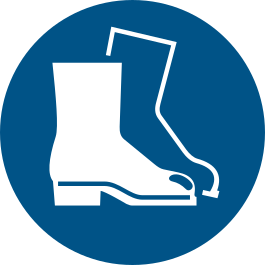
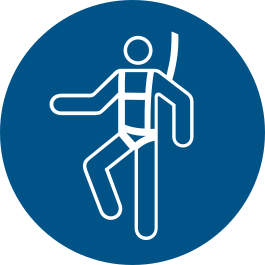
Do not wear rings, watches or jewellery that may become entangled. Long and loose hair must be tied back.
Job steps, hazards and controls
- Work activity
Out-of-hours / night work
- Hazard
Fatigue, unauthorised access, insecure workplace
Before controls3 HighControlsAllow adequate meal breaks for workers; especially if they have worked during part of the day, they will need time to rest & recover sufficiently to work safely into the evening/night
Do not schedule full double shifts for workers as worker fatigue increases the risk of incidents
Workers have access to:
Suitable amenities (toilets/wash facilities/drinking water)
Sufficient lighting (including parking areas)
Air conditioning and heating
Mechanical ventilation if required
Emergency exits
Safe area for parking/unloading equipment – protected from rain
Additional security personnel on-site to ensure no unauthorised access by the general public while work is being performed
No worker should work alone on the site at night.
After controls2 ModerateResponsible- Supervisorto make sure schedules for breaks are followed and maintain call log
- Hazard
Emergency
Before controls4 AcuteControlsAvoid people working alone, use a buddy system to provide immediate support
Have a reliable communication system in place and test regularly.
After controls2 ModerateResponsible- Supervisorto make sure schedules for breaks are followed and maintain call log
IR before controls · RR after controls1 LLow2 MModerate3 HHigh4 AAcute
Overall risk after controls2 MModeratethe highest rating after controls
13 more job steps, from Arrival on-site & risk assess on-site conditions to Emergency response
Each with its hazards, risk ratings and controls, plus your crew's sign-on.