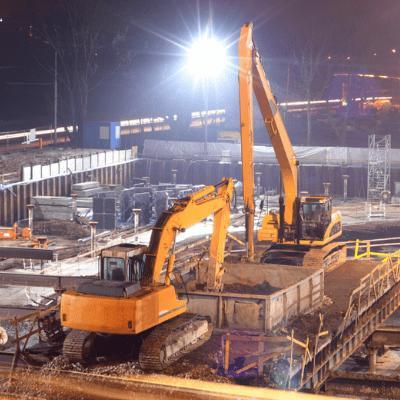
Working in the dark, in low light or where dust, smoke, fog or glare stops people seeing hazards, plant and one another.
Also known as: Night work, Night works, Poor visibility, Decreased visibility, Insufficient lighting, Out-of-hours work, Working at night, Decreased visibility for motorists/public
How to control night work and poor visibility
Schedule work for daylight hours where possible, and delay work when fog, dust, smoke or heavy rain cuts visibility.
Light the whole work area, access routes and plant movement paths, using towers or work lights that are positioned to avoid glare for workers and passing motorists.
Keep clear sightlines by cleaning mirrors, windscreens and lights, and removing obstructions from plant and work areas.
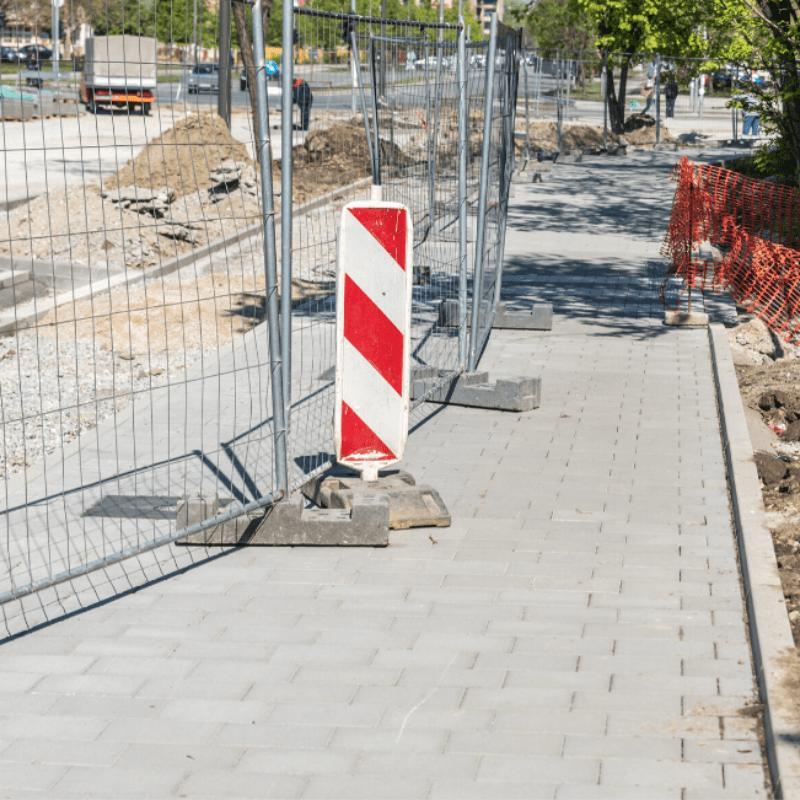
Separate people from plant with barriers and spotters, and use extra signs, reflective delineation and flashing lights at night.
Manage fatigue for night shifts with rostered rest breaks, and check workers are fit to drive home after a shift.
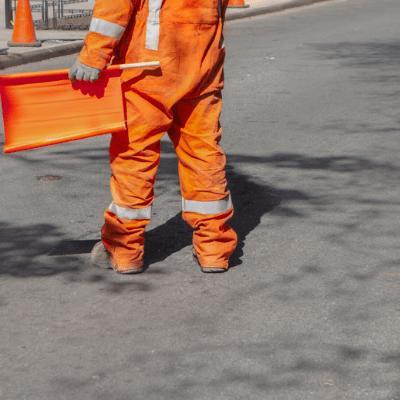
Wear high-visibility clothing with reflective strips suited to night work, and carry a torch or head lamp.
Typical controls, most effective first. Your SWMS sets the controls for your own job and site.
Templates that cover Night work and poor visibility
 Value pack · 9 templates
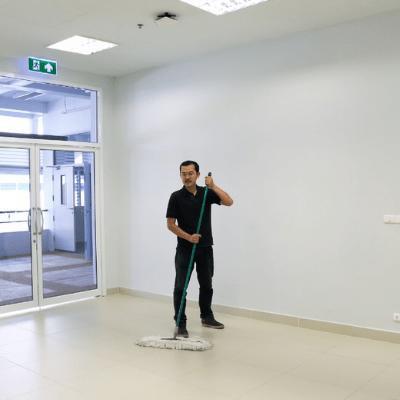
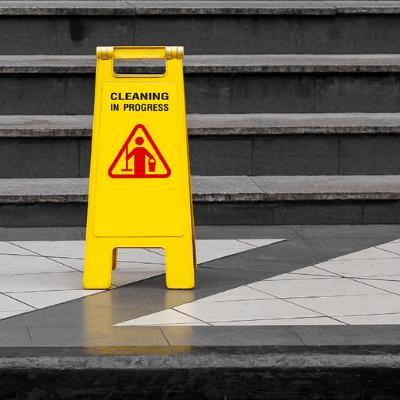
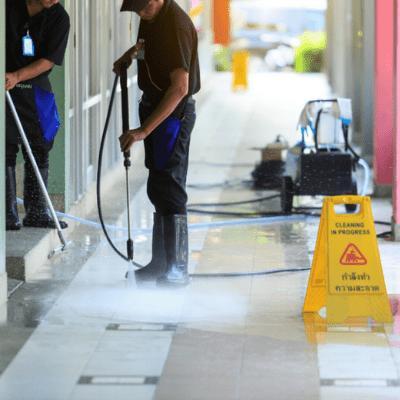 +5
 Value pack · 10 templates

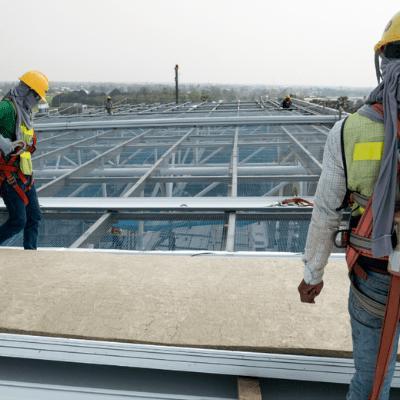
 +6
 Value pack · 15 templates

 Value pack · 14 templates
 +10
 Value pack · 40 templates
 +36
 Value pack · 35 templates
 +31
 Value pack · 57 templates
 +8

 +9
 Value pack · 47 templates

 +43






 System · 117 documents
 System · 115 documents
 System · 165 documents
 +161

 +152
 +150
 +158
 +109
 +123

 System · 100 documents